
What 2025 Revealed About How People Really Behave Online
If 2025 felt unpredictable, that wasn’t just an impression — the data reflects it too. Consumer interest moved quickly, often in short bursts rather than long arcs. Search behaviour rose and fell sharply, shifted platforms, and sometimes contradicted itself from one month to the next.
Rather than pointing to a single dominant trend, the year revealed something subtler: people are reacting faster, questioning more, and making decisions in a more fragmented way. Here’s a closer look at what those patterns suggest.
Curiosity comes easily. Loyalty takes more work.
New tools and product updates — particularly in AI — triggered sudden waves of interest. People were clearly open to trying alternatives, comparing features, and seeing what else was available beyond the familiar options.
What stood out, though, was how quickly that attention moved on. Interest didn’t always translate into long-term commitment. This suggests that while innovation still draws people in, staying relevant depends more on clarity, usefulness, and how well a product fits into someone’s day-to-day needs.
Trust is no longer assumed
As AI-generated content became more visible, so did unease around authenticity. Growing interest in AI detection tools points to a wider shift: people are no longer taking information at face value.
This doesn’t necessarily reflect distrust, but caution. Whether in education, publishing, or everyday online content, people seem to want clearer signals about how content is produced, and reassurance that what they’re reading or using is reliable.
Travel became more local — and more practical
Interest in staycations grew steadily, especially during peak holiday periods. Rather than seeking far-flung destinations, many people opted for experiences closer to home that felt easier to plan and justify.
This feels less like a lack of ambition and more like a practical response to rising costs and time pressures. The desire for rest and experience remains — it’s just being balanced more carefully against convenience and value.
Lifestyle trends arrived in bursts, not waves
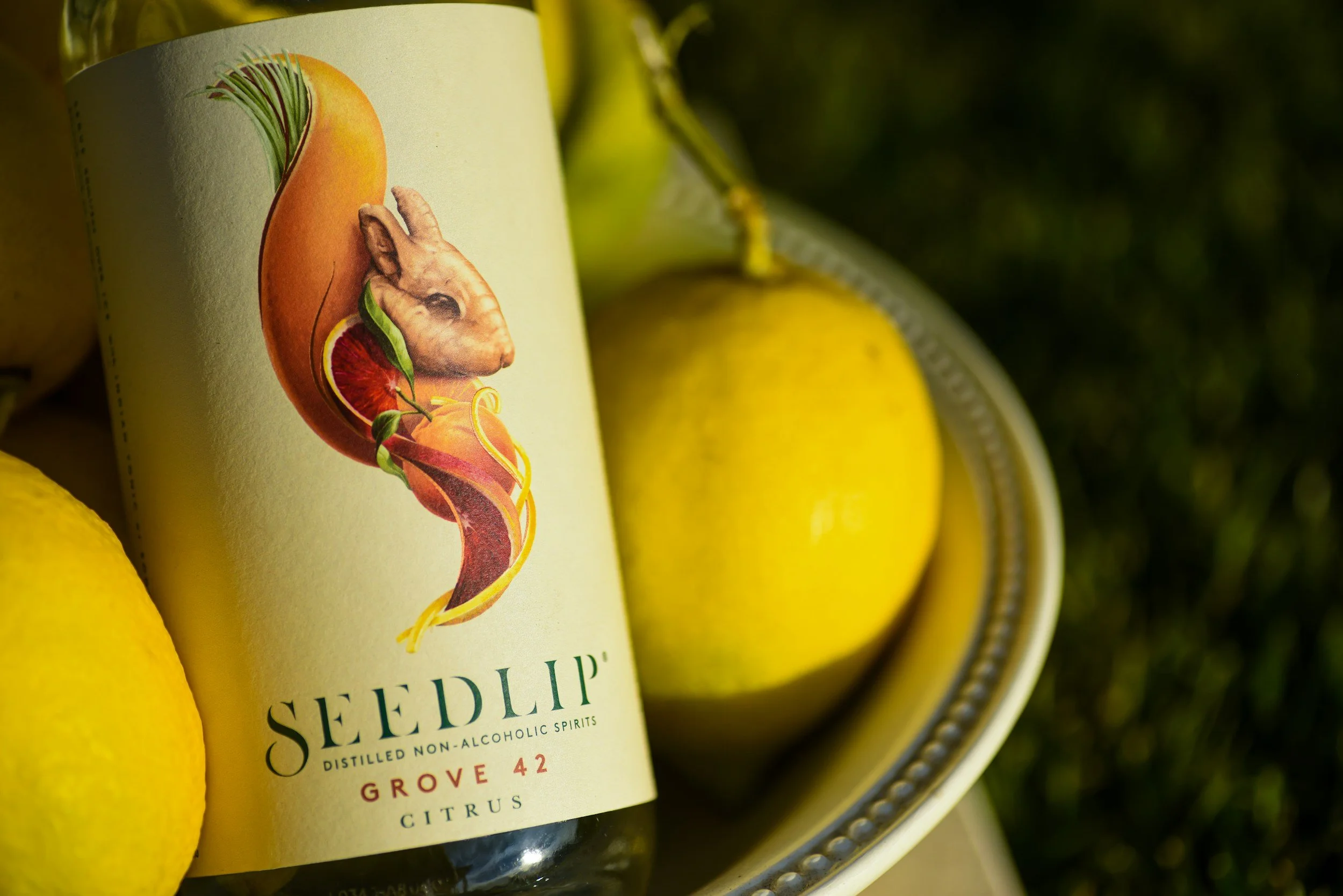
Mocktails and alcohol-free options didn’t follow a simple upward or downward trend. Instead, interest flared at particular moments — during social seasons, events, and holidays — before easing again.
Rather than fully committing or opting out, people appear to be engaging with these lifestyle choices flexibly. It suggests a more fluid approach to habits, shaped by context rather than long-term identity.
Brand names mattered less than expected
In areas like sportswear, searches increasingly focused on product types rather than specific brands. Practical considerations — affordability, fit, availability — seemed to outweigh brand loyalty in many cases.
This doesn’t mean brands no longer matter, but it does suggest that recognition alone isn’t enough. When people are actively searching, they appear more open to alternatives that meet their needs clearly and simply.
Beauty and anti-aging searches became more exploratory
Search behaviour in beauty and anti-aging showed people looking beyond familiar products and routines. Interest grew around newer or less conventional ingredients, even when understanding lagged behind curiosity.
This points to a wider desire to learn and experiment, but also to some uncertainty. People seem keen to understand what’s behind the claims, not just follow trends blindly.

Some hype cooled — but didn’t disappear
AI agents are a good example of how attention behaves now. Interest rose sharply, then declined, which could easily be mistaken for a trend fading away.
But investment and experimentation continued behind the scenes. It suggests that once initial curiosity is satisfied, focus shifts toward practical use and slower adoption — a quieter phase that doesn’t always show up clearly in search behaviour.
Big news still grabs attention — briefly
Spikes in oil price searches showed how quickly global events can dominate attention. People actively looked for information during moments of uncertainty, but that focus dropped off just as quickly once the situation stabilised.
This pattern highlights how reactive online behaviour has become. Attention is intense, but often short-lived, shaped by immediate concern rather than long-term interest.
Wellness didn’t shrink — it changed shape
Search interest in meditation and similar topics declined, yet overall spending on wellness continued to grow. This suggests people are moving beyond exploration and into more settled habits.
Instead of searching for ideas, many appear to have already chosen what works for them. Wellness hasn’t gone away — it’s just become less visible in search behaviour.
Sustainability became more specific
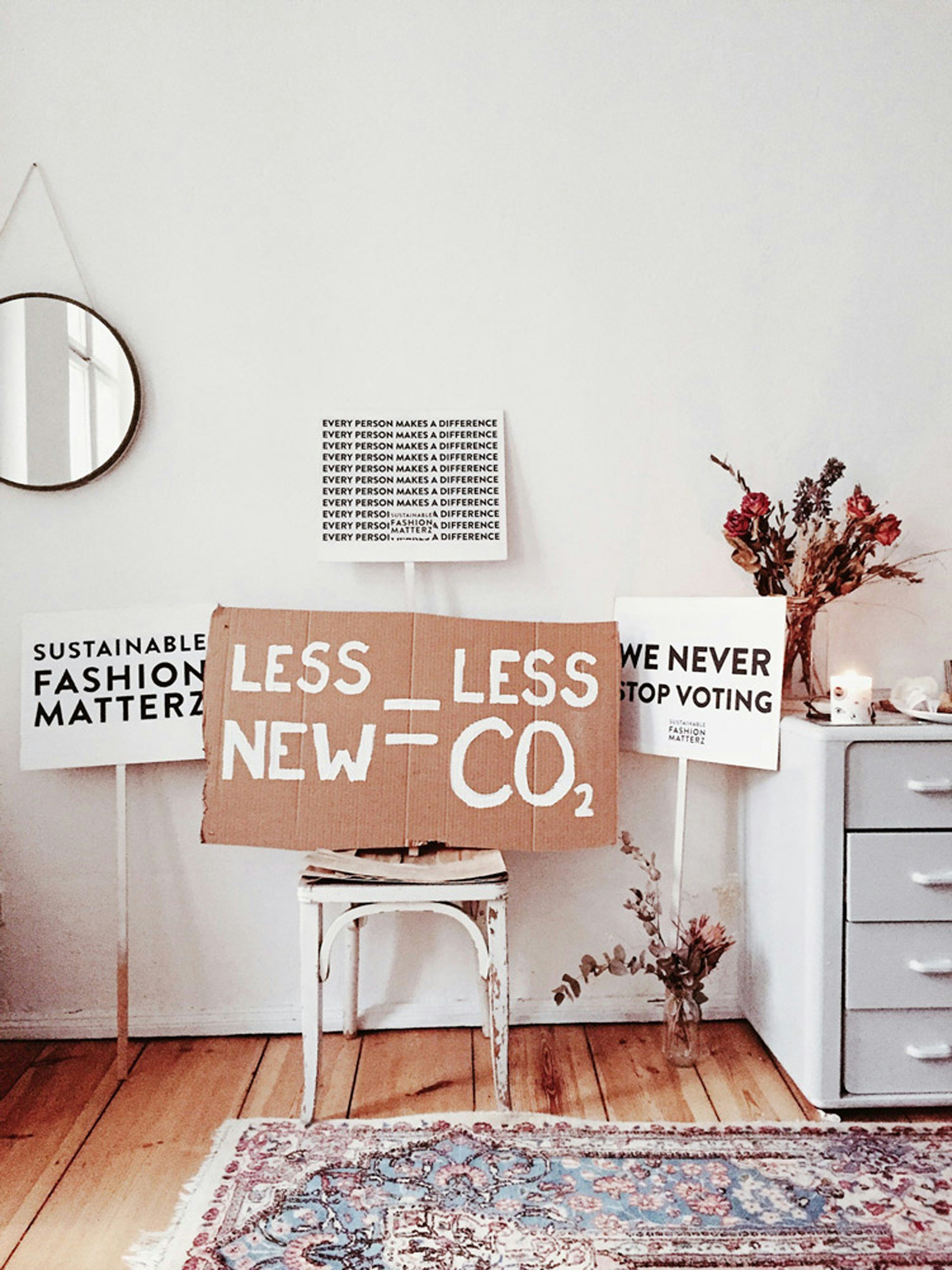
Interest in sustainable fashion continued to rise, but the language people used shifted. Searches became more detailed and focused, suggesting that broad ethical claims are no longer enough.
People seem to be looking for clearer evidence and more tangible explanations — a sign that sustainability is moving from aspiration to expectation.
Research habits are spreading across platforms
In areas like beauty, people increasingly turned to AI tools for deeper, more personalised research, while still using traditional search for comparisons and deals.
This split shows that discovery no longer happens in one place. Different platforms serve different needs, and people move between them depending on what kind of answer they’re looking for.
Speed is quietly changing expectations
The rise of tools that allow people to build software quickly, often without traditional technical skills, shows how much faster ideas can move from concept to reality.
This speed is reshaping expectations around experimentation and progress. Trying something new feels lower risk, and iteration happens faster than before.
A quieter conclusion
Taken together, these patterns suggest that 2025 wasn’t chaotic — it was reactive. People responded quickly to change, explored options with less hesitation, and moved on when something no longer felt useful or relevant.
For anyone trying to understand audiences, that means fewer fixed journeys and more listening. The challenge now isn’t predicting behaviour perfectly, but staying alert enough to notice when it starts to shift.
This post draws on insights from What the World Wanted: 12 Consumer Trends from 2025, a demand analysis report based on global search behaviour and audience data. The report brings together year-on-year trends, short-term spikes and longer-term shifts to explore how consumer interest evolved throughout 2025. The observations above are my own interpretation and reflection on those findings.